This Is Talis


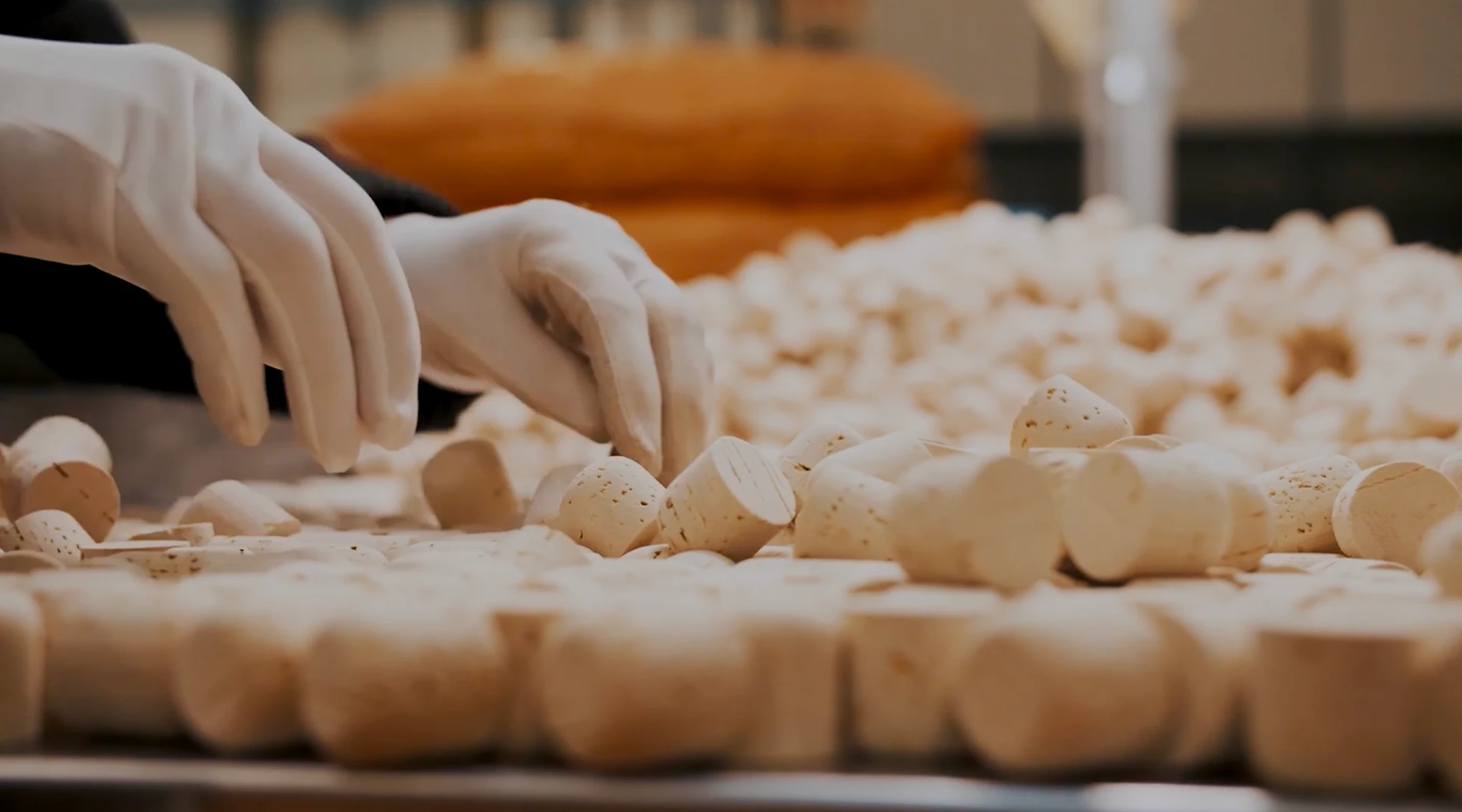

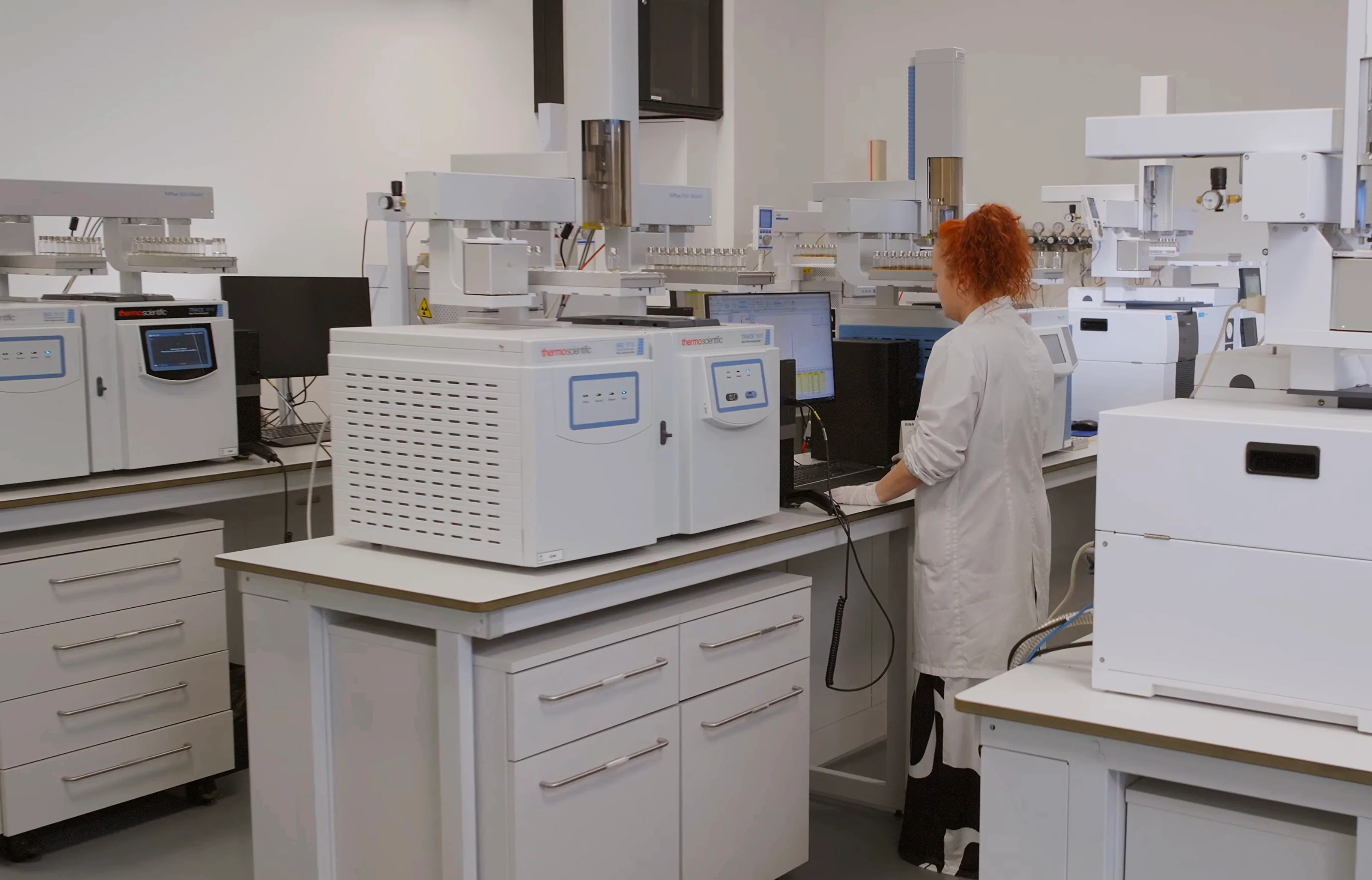
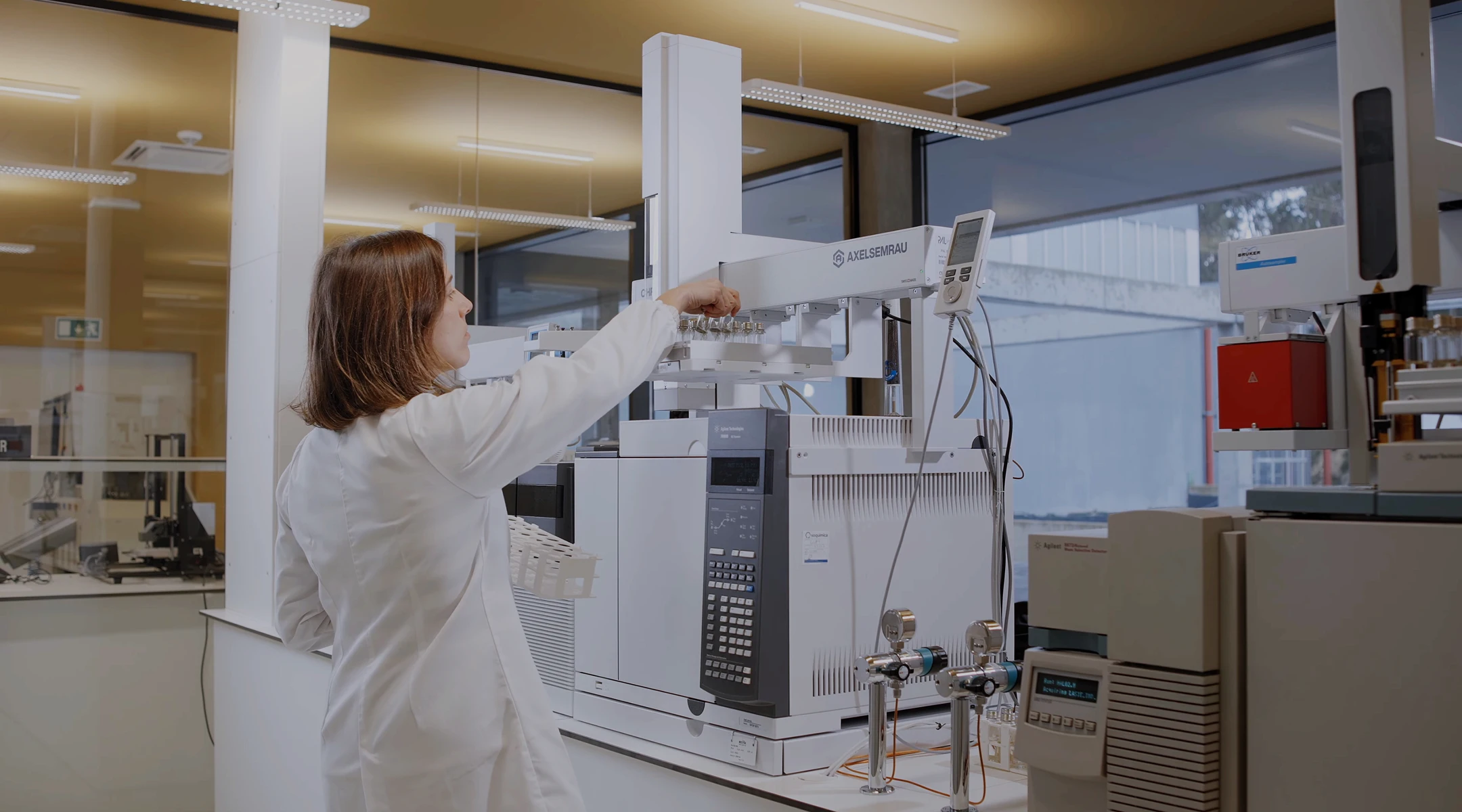
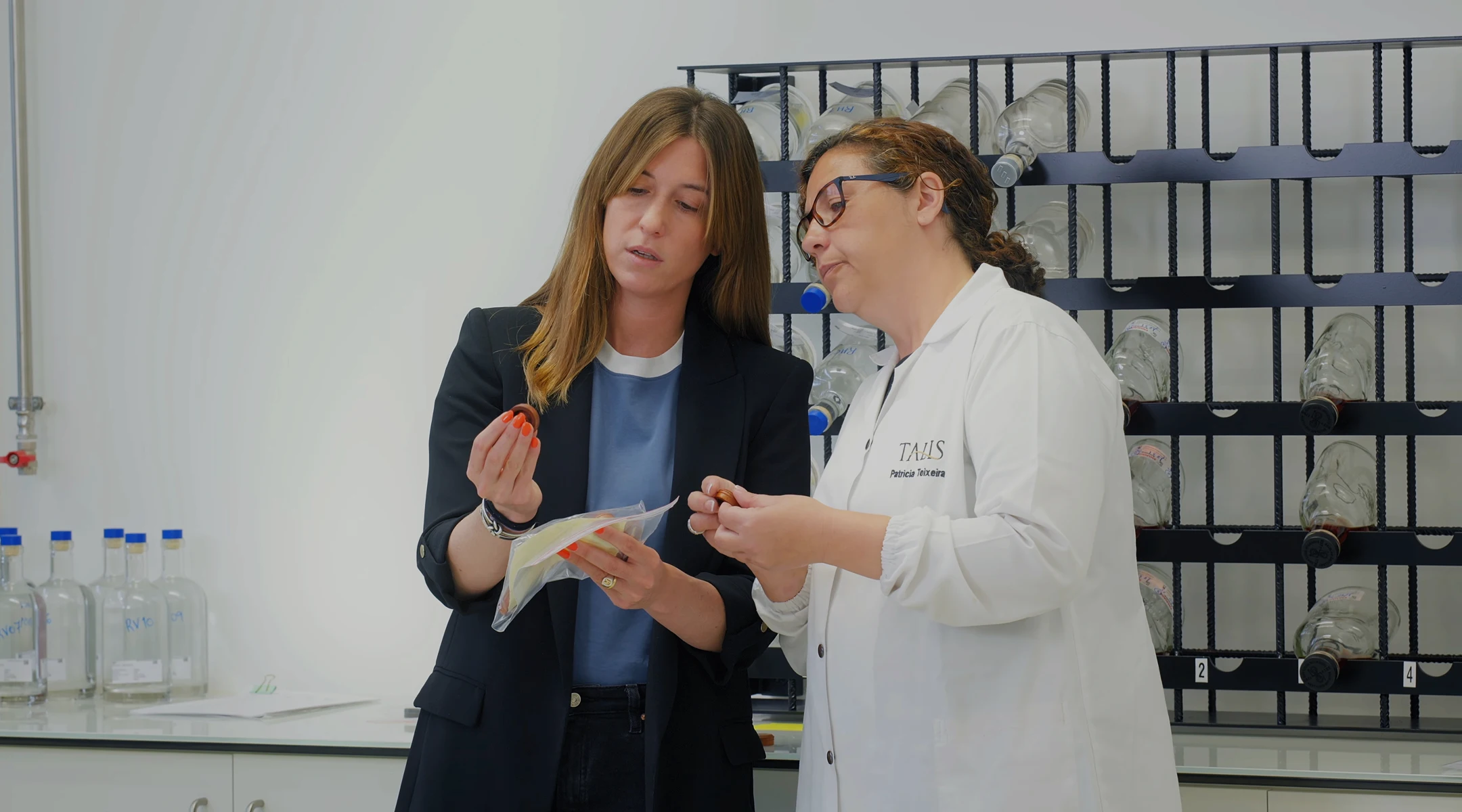
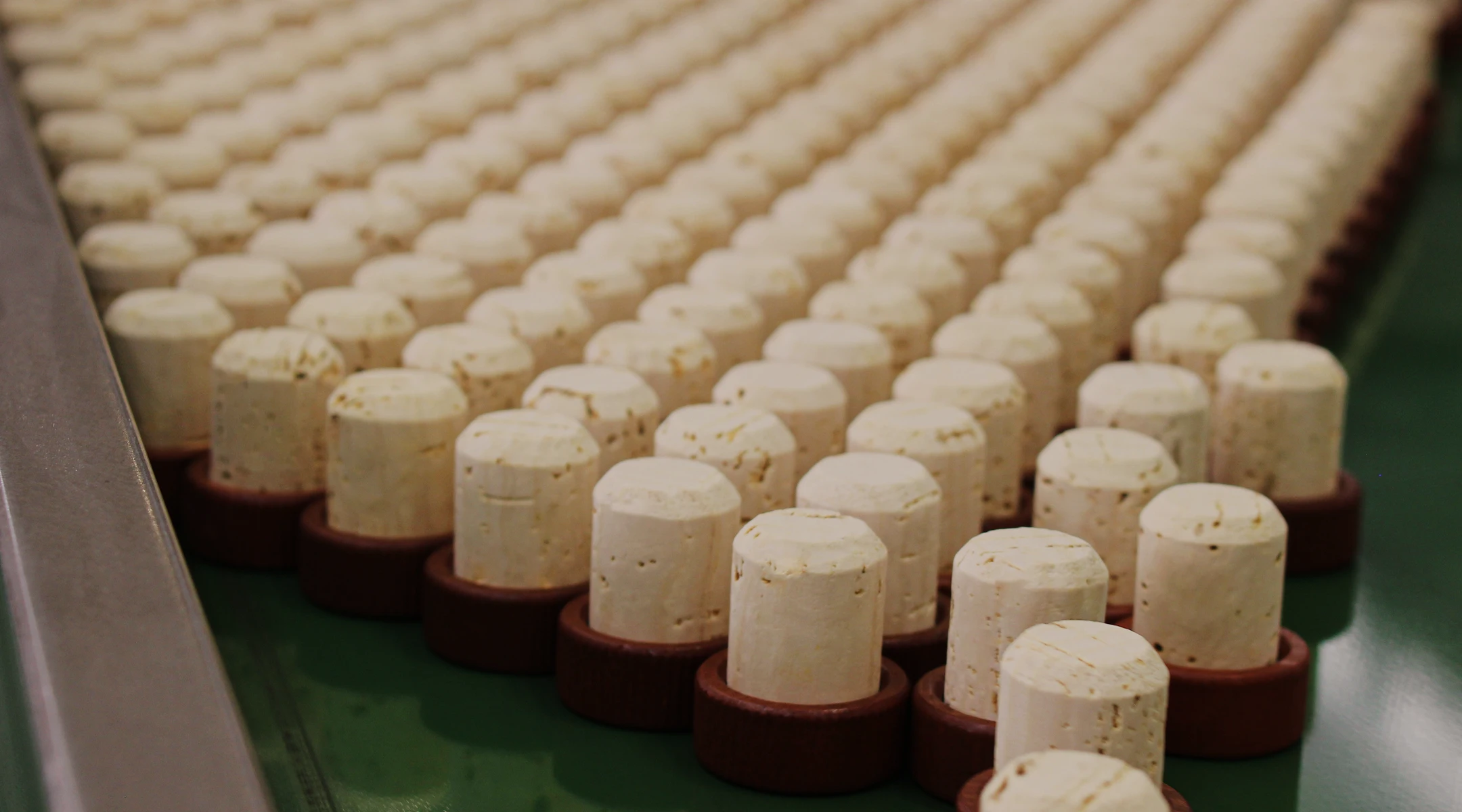
ABOUT US Talis creates premium bartops for the world's leading wine and spirits brands. Combining natural cork, thoughtful design and technical excellence, we develop closure solutions that bring together performance, craftsmanship and endless possibilities for customization.
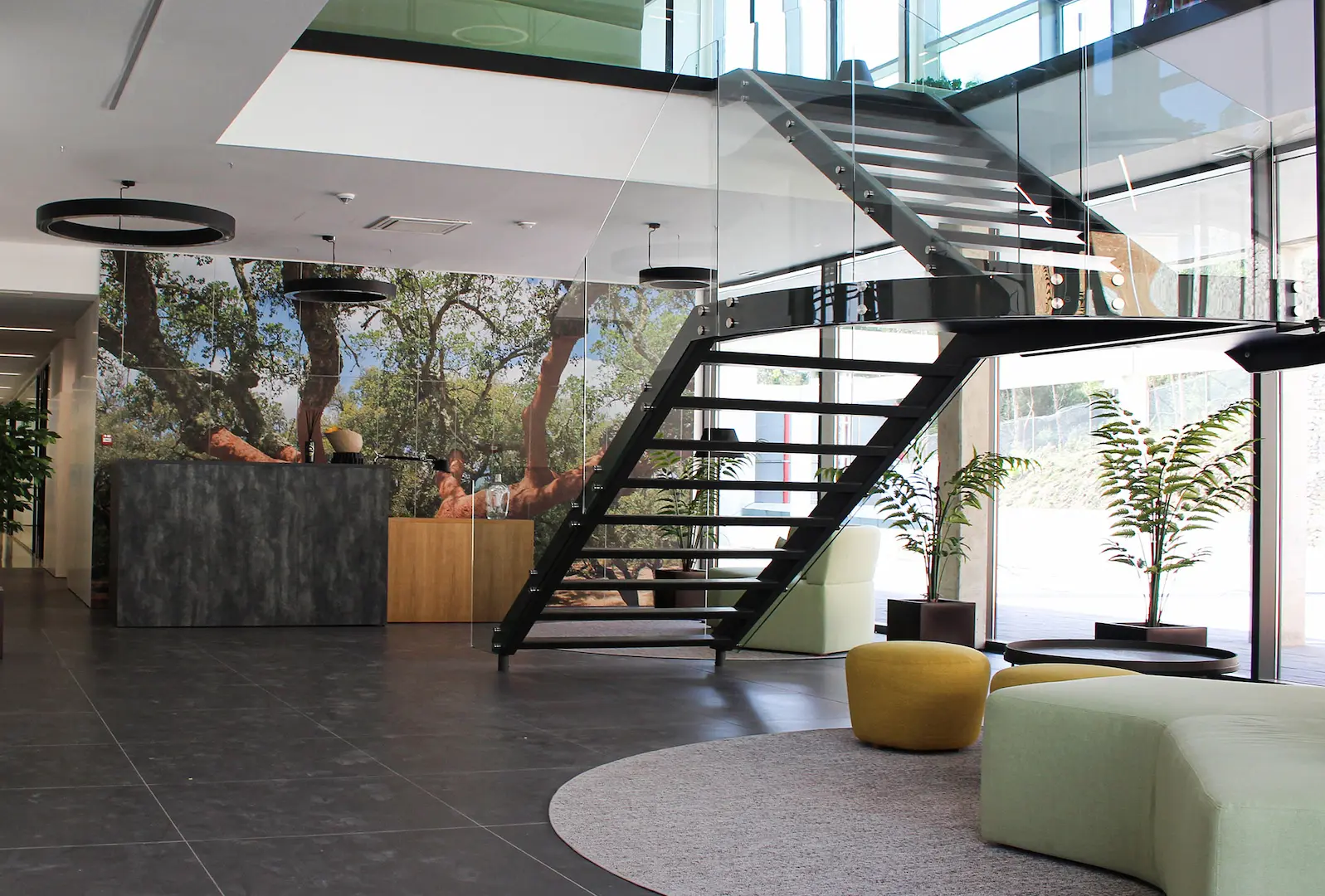
Sustainability starts at the source
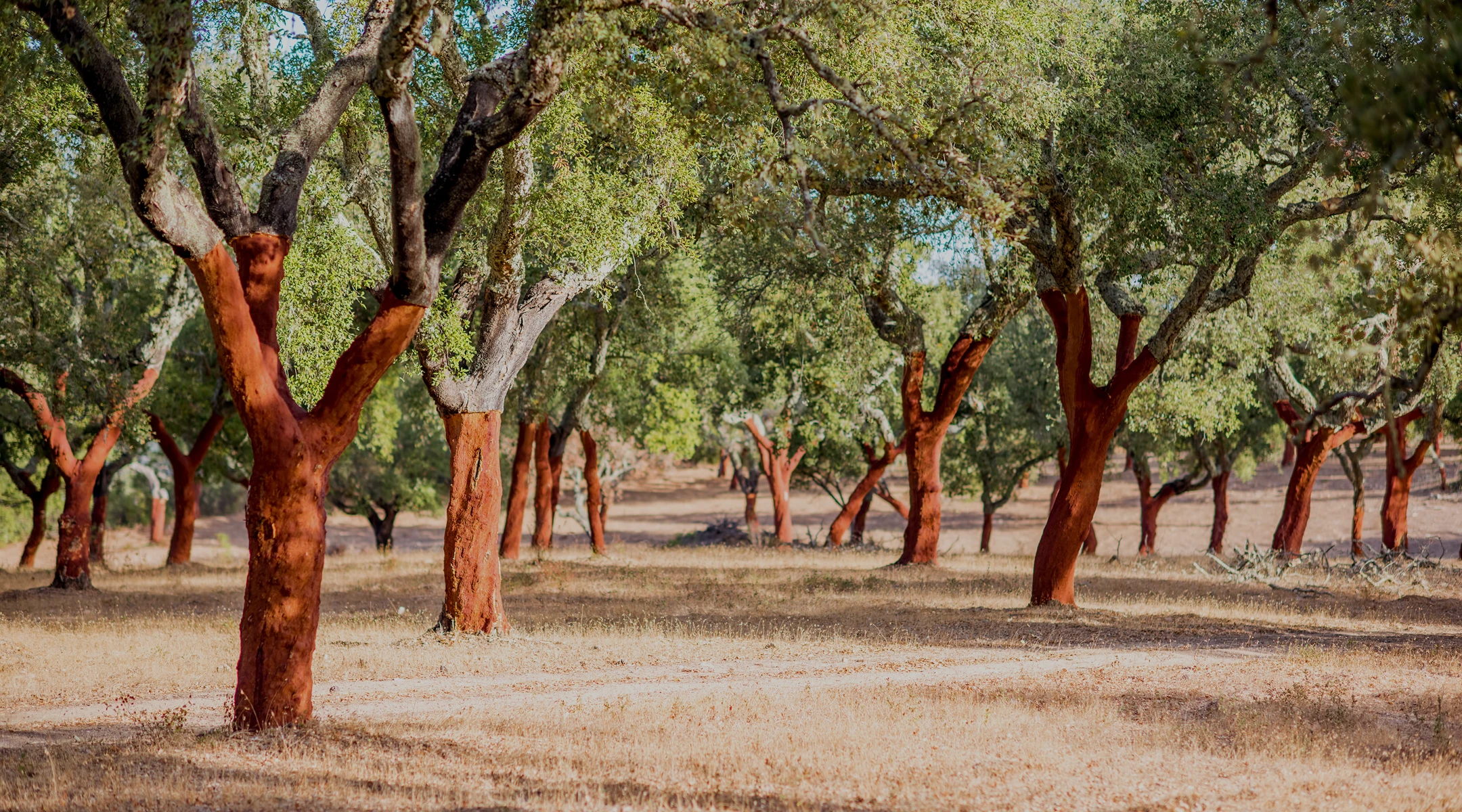
We believe every great product begins with respect for nature. By protecting cork oak forests and valuing renewable materials, we help preserve a resource that benefits future generations.
Excellence without compromise
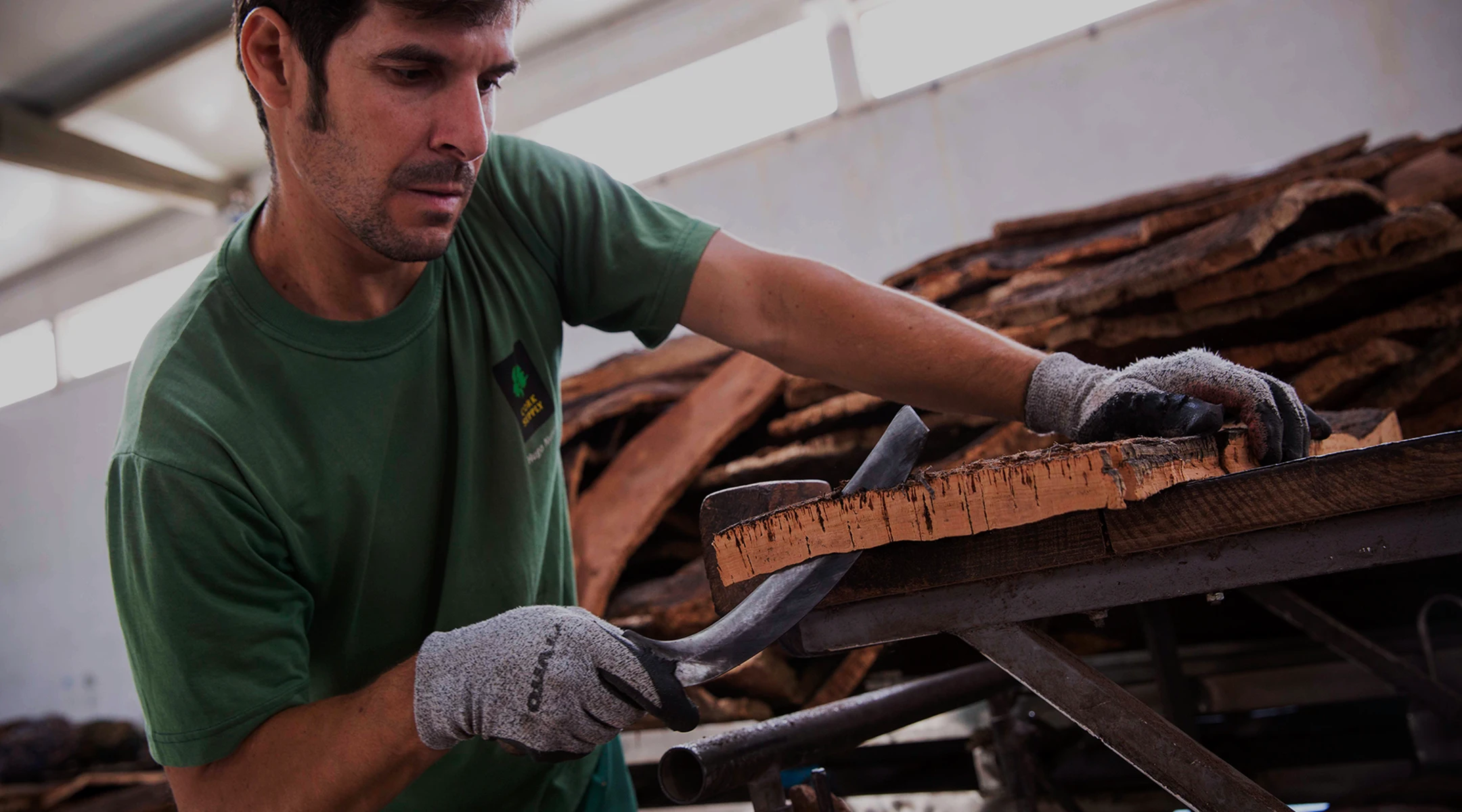
From cork selection to the final bartop, every detail is designed to deliver outstanding mechanical performance, sensory neutrality and uncompromising quality.
Built around people
We believe lasting relationships create lasting value. Whether with customers, suppliers or our own team, trust, care and collaboration are at the centre of everything we do.
Designed to make a difference
We don't simply manufacture closures. We help premium brands create memorable experiences through innovative design, technical expertise and a relentless pursuit of excellence.
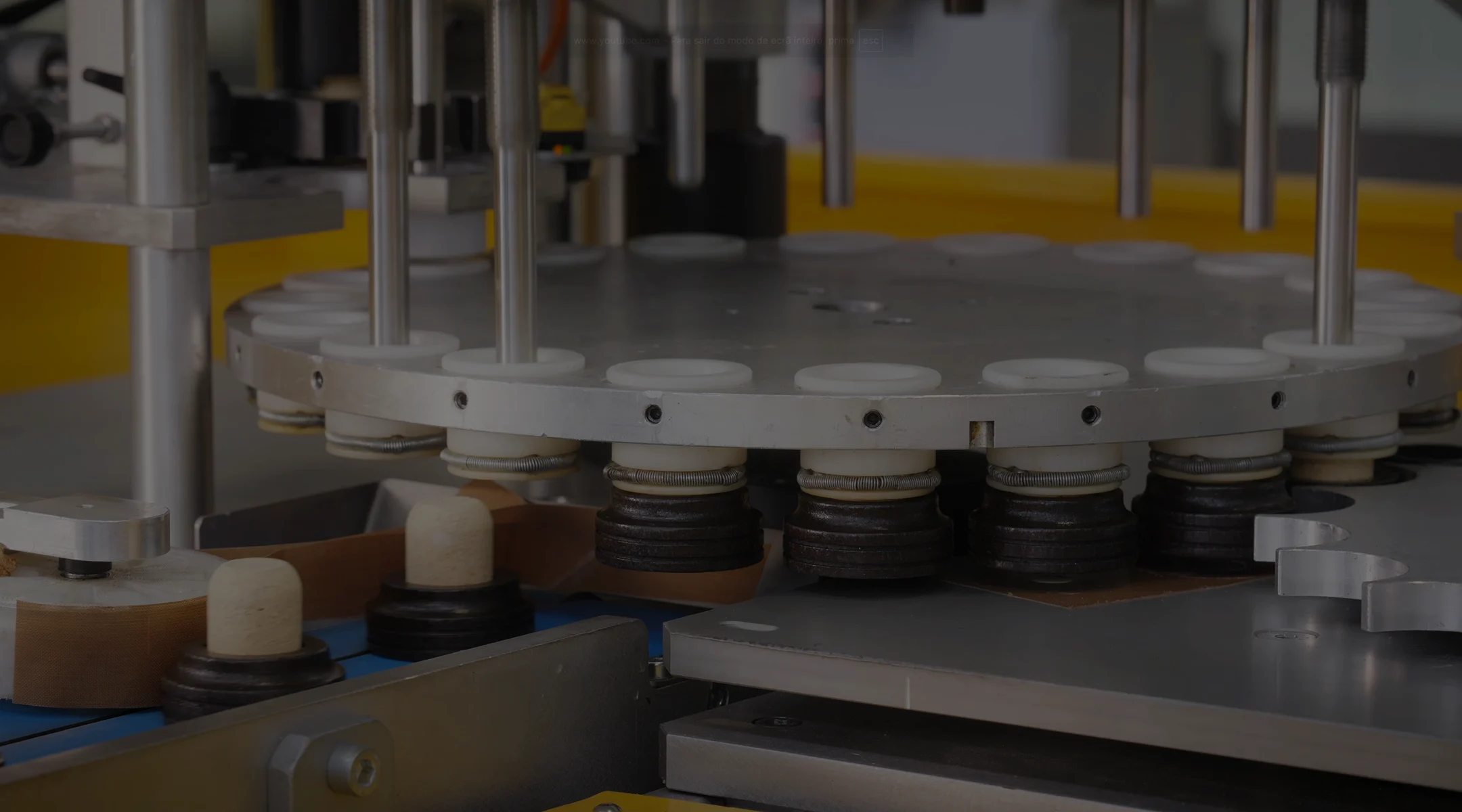
Customized solutions in house





.webp)
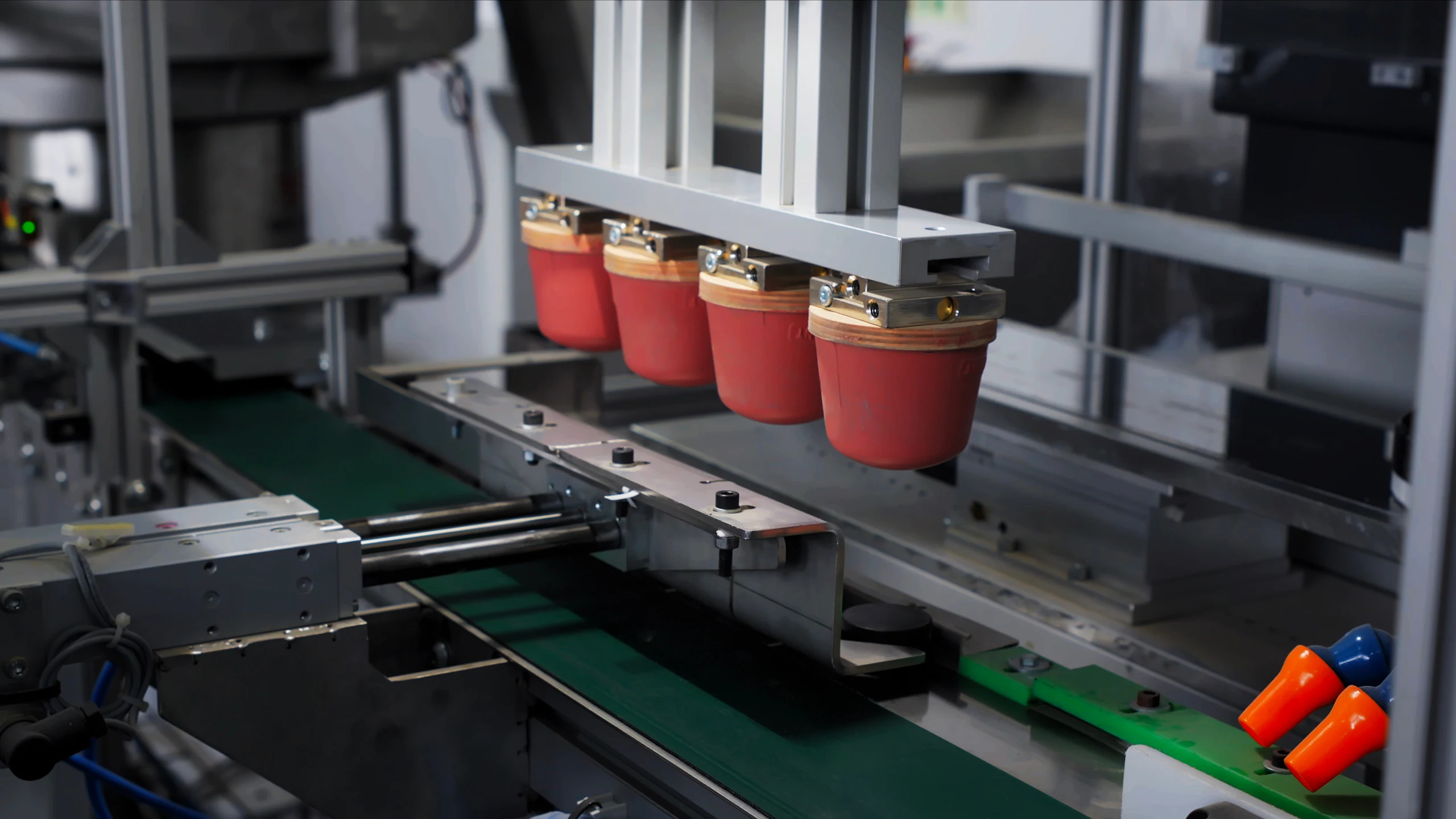
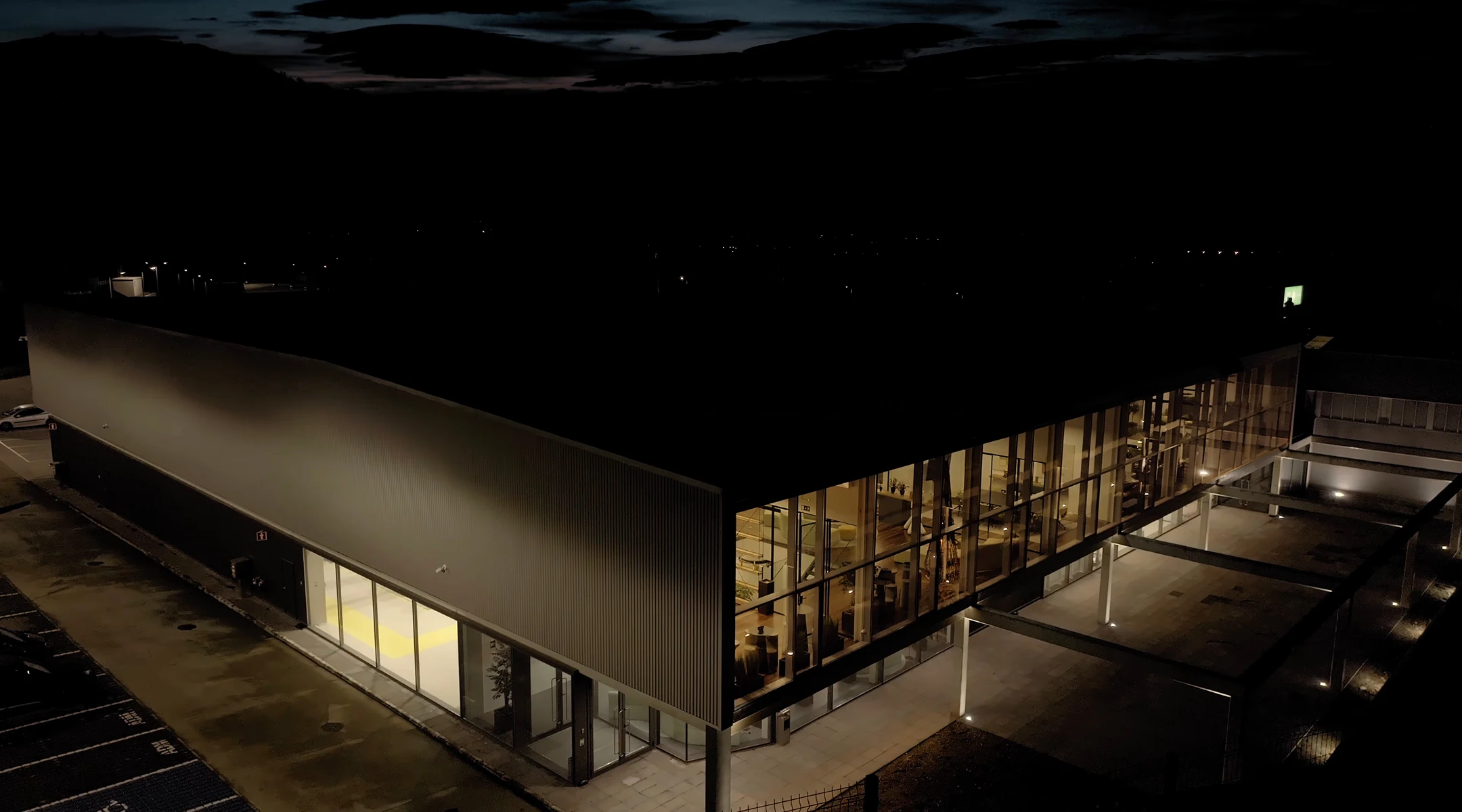
In 2024, an entirely new facility was established to meet the growing demand for TALIS bartops worldwide, reflecting our commitment to serving the spirits industry with the same levels of quality, service and innovation. This new unit has a production capacity of 150 million bartops p/year.
Frequently Asked Questions
What is a bartop closure?
A bartop closure combines a cork shank with a decorative top to create a closure that delivers both technical performance and brand expression.
More than simply sealing a bottle, a bartop contributes to the overall consumer experience, becoming an integral part of the product's identity.
Why is cork the preferred material for premium bartops?
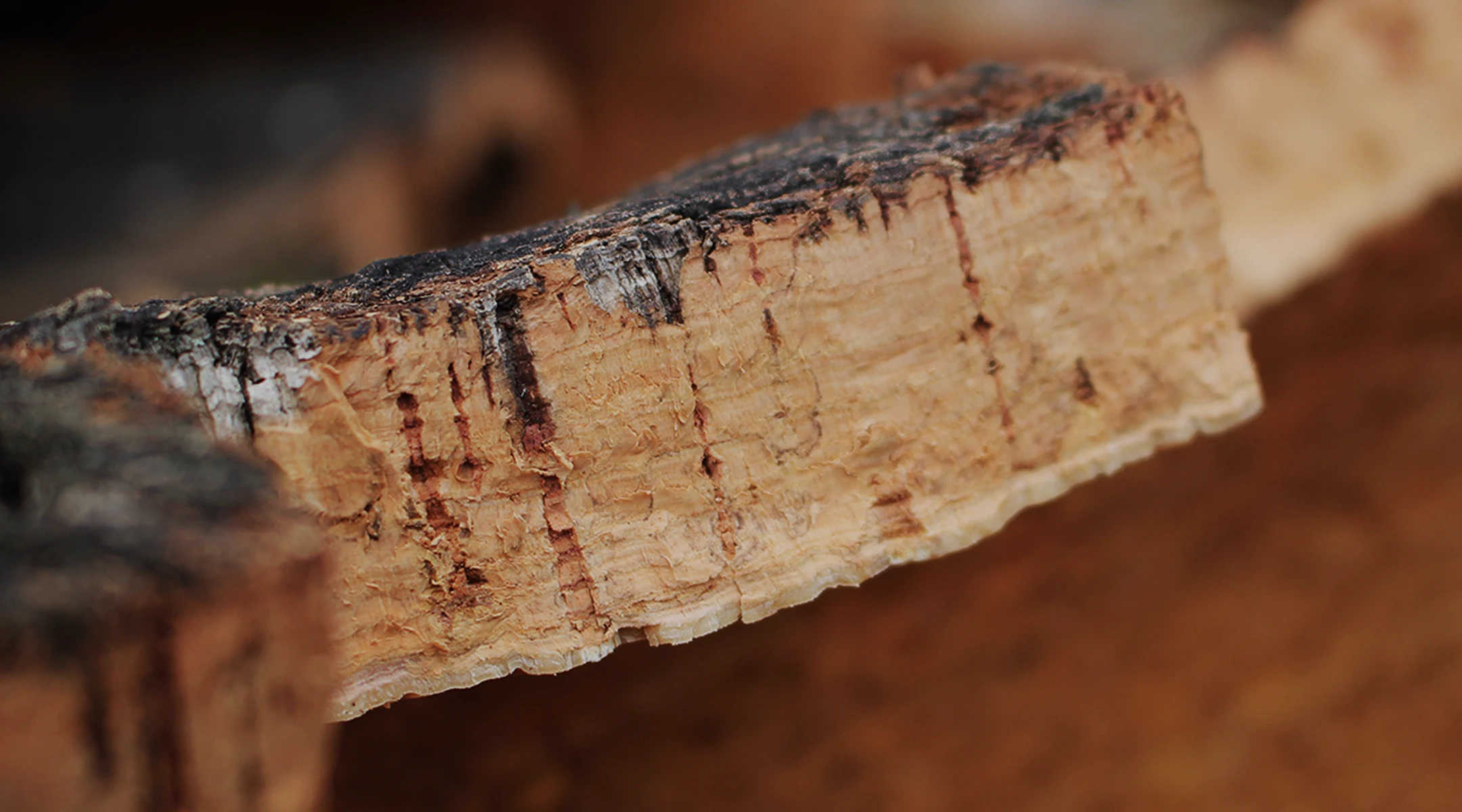
Cork combines unique natural properties that are difficult to replicate with alternative materials.
Its cellular structure allows it to compress during insertion and recover inside the bottle neck, helping create a secure seal while maintaining ease of extraction and reusability.
In addition, cork is a renewable natural material that combines technical performance with premium aesthetics.
What is the difference between natural and micro-agglomerated cork?
Both solutions are suitable for premium spirits, but they serve different objectives.
Natural cork offers a distinctive appearance where each closure is unique, reinforcing authenticity and craftsmanship.
Micro-agglomerated cork provides enhanced visual and structural consistency, making it ideal when uniformity and repeatability are priorities.
The most suitable option depends on the bottle, brand positioning and desired consumer experience.
Are natural and micro-agglomerated cork bartops suitable for clear spirits?
Yes.
Both natural and micro-agglomerated cork bartops are widely used in clear spirits such as vodka, gin, tequila and white rum.
The key is selecting the appropriate cork grade, dimensions and treatment for the specific application. When properly specified, both solutions provide reliable sealing performance while preserving the appearance and quality of the spirit.
Can cork affect the appearance of a clear spirit?
When high-quality cork and appropriate manufacturing processes are used, cork bartops are designed to preserve the visual integrity of the spirit throughout its intended shelf life.
Material selection, production controls and application-specific validation all contribute to consistent performance.
How does bottle neck design influence bartop performance?
Bottle neck dimensions are one of the most important factors in bartop performance.
Internal diameter, taper, insertion depth and glass tolerances all influence insertion force, extraction force and sealing effectiveness.
For this reason, Talis evaluates bottle drawings and conducts testing whenever necessary to determine the optimal cork specification.
How do I choose the right cork diameter?
There is no universal cork diameter.
The correct specification depends on the bottle neck profile, insertion depth, desired extraction force and product requirements.
Our technical team reviews bottle specifications and recommends the most suitable solution for each project.
Can Talis test my bottle before production?
Absolutely.
We regularly support customers with technical evaluations, bottle compatibility reviews, insertion and extraction testing, and prototype validation before industrial production begins.
This approach helps minimize risk and optimi<e closure performance.
Can bartops be fully customized?
Yes.
Every bartop can be developed to reflect a brand's identity, from shape and dimensions to colors, textures, finishes and decorative details.
Whether the objective is understated elegance or a highly distinctive luxury closure, our development team can create bespoke solutions tailored to the brand.
What materials can be used for the top?
Talis works with a wide range of materials, including:
• Wood
• Aluminium
• Zamak
• Glass
• Cork
• Ceramic
• Recycled materials
• Custom-developed components
Each material offers unique aesthetic and functional possibilities and can be combined with different decoration techniques and finishes.
👉 [Link: catalogue]
Can Talis develop completely bespoke bartop solutions?
Yes.
From initial concept development to prototyping and industrial production, we work closely with customers to create closures that are uniquely aligned with their brand and packaging strategy.
Why is cork considered a sustainable material?
Cork is harvested from the bark of the cork oak tree without cutting down the tree itself.
The bark naturally regenerates, allowing the same tree to be harvested multiple times throughout its lifespan while continuing to absorb carbon and support biodiversity.
Does harvesting cork damage the tree?
No.
Cork harvesting is a traditional process that removes only the bark. The tree remains alive and continues regenerating the cork layer for future harvests.
Is cork recyclable?
Yes.
Cork is a renewable and recyclable material. Across the industry, nearly all cork by-products can be reused, supporting circular manufacturing models and reducing waste.
Why do premium brands choose cork?
Cork brings together three essential elements:
• Technical performance
• Sustainability
• Premium perception
It creates a distinctive opening ritual, reinforces product authenticity and contributes to a premium packaging experience that consumers associate with quality and craftsmanship.
What quality controls are applied to bartops?
Quality is integrated throughout the manufacturing process.
Controls include raw material inspection, dimensional verification, assembly validation, visual inspection and performance testing to help ensure consistency from development through production.
Is there any risk of TCA and/or other off-aromas affecting the beverage?
No. All Talis cork stoppers undergo advanced cleaning processes designed to eliminate TCA (2,4,6-trichloroanisole) and other potential off-aromas.
For natural cork shanks, every cork is processed through the Innocork® circuit, which combines the PureCork® and Innocork® technologies. These integrated production processes ensure that our natural corks are free from TCA and other undesirable sensory compounds.
For micro-agglomerated corks, 100% of the cork granules are treated using the Vapex® process. This technology uses pressurized steam to effectively remove TCA and off-aromas without compromising the mechanical properties of the cork. As a result, our micro-agglomerated corks are not only exceptionally clean but also contain a very high proportion of natural cork material — up to 95% by volume and 75% by weight.
How long can a spirit last when sealed with a cork shank?
When the appropriate cork stopper is selected and proper handling practices are followed before and after bottling, spirits sealed with a cork shank can maintain their quality for many years.
Achieving optimal shelf life depends on selecting the correct stopper specifications, including diameter, exposed length, finish, cork type, and compatibility with the specific beverage. Talis can help recommend the most suitable closure solution for each application.
Do natural and micro-agglomerated cork stoppers have a positive environmental impact than other closures?
Yes. Cork is a natural, renewable, and recyclable material harvested without cutting down trees. The extraction process allows cork oak trees to continue growing and regenerating throughout their lifespan.
In addition, cork oak forests play an important environmental role by capturing and storing carbon dioxide from the atmosphere, helping to reduce net CO₂ emissions. By choosing cork closures, brands contribute to the preservation of these valuable ecosystems while reducing their environmental footprint.
How early should I involve Talis in a new packaging project?
The earlier, the better.
Involving Talis during bottle development allows closure design, bottle compatibility and production requirements to be considered from the outset, helping accelerate development and reduce project risk.
Does Talis support both prototyping and industrial production?
Yes.
Talis supports projects from concept and prototyping through to large-scale industrial production, ensuring continuity throughout the entire development process.
Do you supply globally?
Yes.
We work with spirits brands around the world, supporting projects across multiple markets with premium bartop solutions developed and manufactured in Portugal.
Can Talis support product development and prototyping?
Yes.
Our in-house design and technical teams support customers throughout the entire development process, from initial concepts to industrial production.
Using 3D modelling and rapid prototyping technologies, including 3D printing, we can quickly evaluate designs, validate dimensions and produce development samples before investing in production tooling.
This approach helps to accelerate decision-making, reduce development timelines and bring new packaging concepts to life more efficiently.
Why does vertical integration matter?
Unlike many suppliers that source multiple components from different manufacturers, Talis benefits from an integrated production model.
We manufacture our own cork shanks and wooden tops within the Cork Supply Group, allowing us to oversee every stage of development and production.
This level of control helps ensure:
• Consistent quality from batch to batch
• Full traceability of materials
• Faster development cycles
• Greater manufacturing flexibility
• Enhanced product reliability
From cork selection to final assembly, every component is developed with quality and performance in mind.
How do I start a bartop project with Talis?
Starting a project is simple.
Whether you already have a fully developed bottle design or just an initial concept, our team can guide you through the process. We typically begin by understanding your brand, product requirements, bottle specifications and design objectives.
From there, we can recommend suitable cork solutions, top materials, decoration techniques and development pathways to bring your concept to life.
Our design, engineering and production teams work together to support every stage of the journey, from concept development and prototyping to industrial production.
Ready to start your project?
Can I design my own bartop?
Yes.
Our Bartop Configurator allows you to explore different combinations of corks, materials, shapes, finishes and decoration options to help visualize your ideal closure.
It's a simple way to discover possibilities, gather inspiration and begin defining your project before engaging with our team.
Once you have identified a direction, our specialists can help refine the design, validate technical requirements and develop prototypes.
“Over the past year, Castle & Key has partnered with Talis and has been extremely impressed by their level of service and attention to detail. The consistency and quality of the custom closures they provide have been exceptional. We highly value this relationship and see Talis as a trusted long-term partner.”
“We find that in the premium spirits industry, consumers equate a real cork with quality. It also fulfills our mission to use only natural components in our products, and reduce the use of plastics. The corks from Talis work superbly for us in this regard.”

“We at Lucky Seven Spirits are very proud of our premium bottle and packaging design and find it only fitting to pair that with a high-quality natural cork. Talis has provided us with exceptional quality and custom design work to compliment our award-winning packaging. We highly recommend working with Talis for any of your closure needs.”

"Working with the team at Talis has been such a smooth and easy process. Their team is knowledgeable in all their products and helped to direct us to reaching our vision. We couldn't be prouder with how our product turned out. “